-
I just read the wildest Kill la Kill take and I need to sharePermalink On twitter.com
❤️ 3 Favorites Mood -5 🙁
-
It essentially reads life fibers as capital accumulation, Nudist Beach as anarchist, the other clans involved in the tri-city raid trip as competing leftist tendencies, the 1/2/3 star students as a Maoist party, Ryuko as the proletariat, and Satsuki as an MLMPermalink On twitter.com
-
Ragyo and her obsession with life fibers threatening to destroy the earth are therefore capitalists and their obsession with wealth causing climate change. Honnouki academy is a transitionary state, using capitalism (life fibers) to destroy capitalism (Revocs Corporation)Permalink On twitter.com
-
Reading Ryuko as the proletariat is fuckin weird to me, given that she's the most exceptional character in the story. Strictly speaking the proletariat are the students of Honnouji academy generally Also: reading Mako and her family as lumpen is like, borderline insulting but okPermalink On twitter.com
-
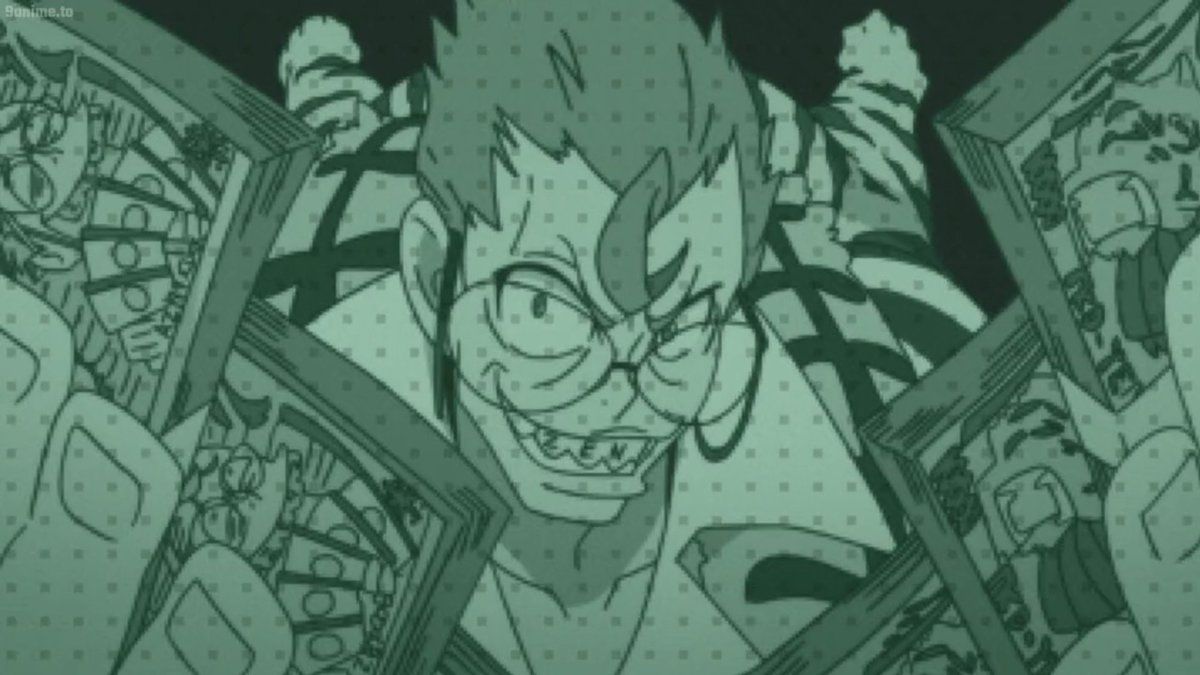
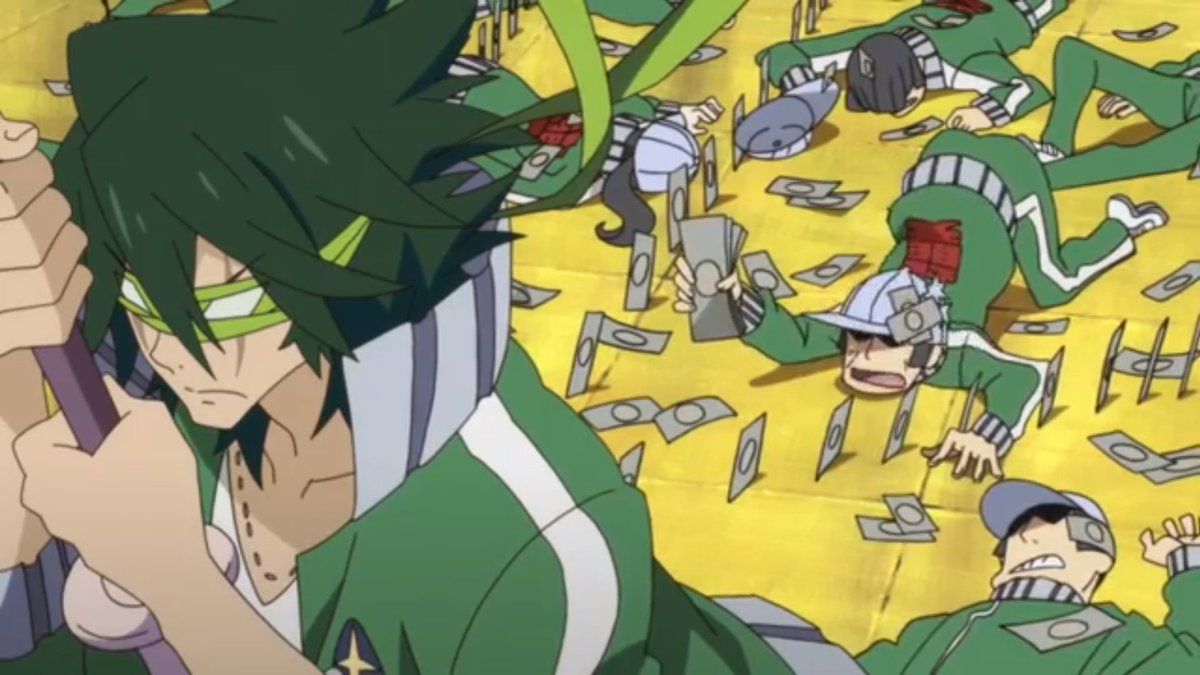
The other schools in Japan are also, like, not leftist? The easiest example is this motherfuckerPermalink On twitter.com
-
Nudist Beach being anarchist doesn't make a ton of sense to me? I'm pretty sure the organization is hierarchical but the essay asserts otherwise.Permalink On twitter.com
-
But I think the thing that makes my head spin hardest is Honnouji academy as a transitionary state and the club system as a disciplined communist party that successfully keeps the rabble in line for the revolutionPermalink On twitter.com
-
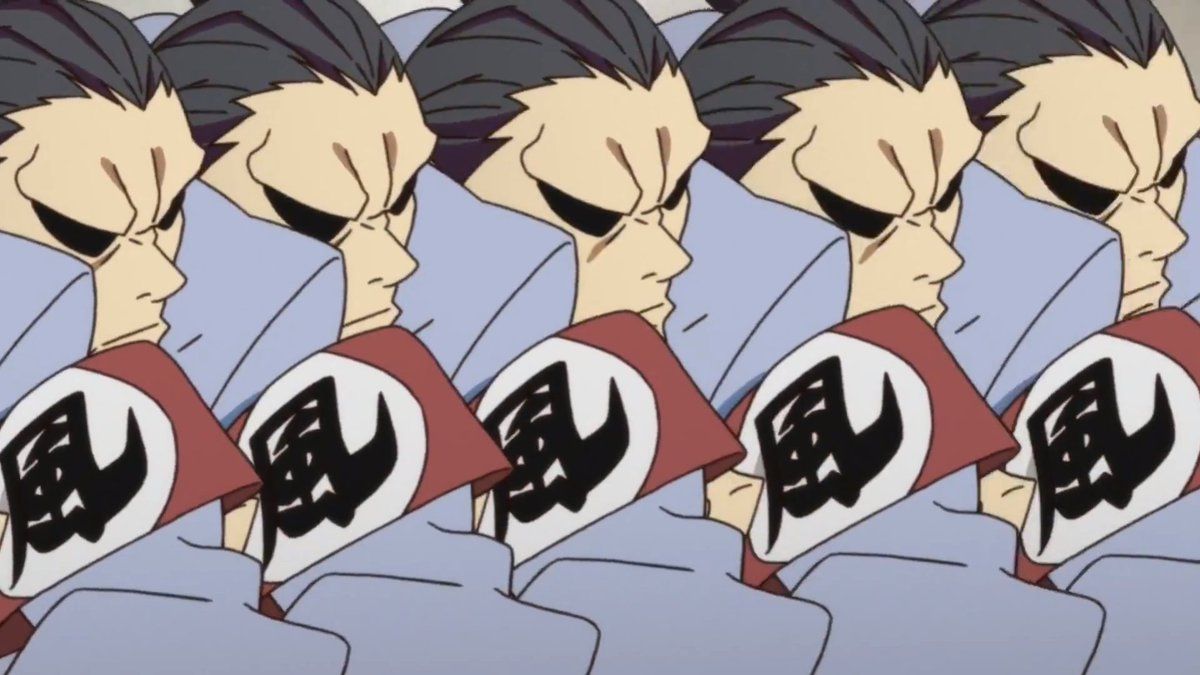
Because, like, Honnouji academy is pretty obviously coded fascist? It's literally like the first read anyone gets when you boot up the show's first episode. If you want to argue there's no difference between fascism and the CCP than you said it, not me 👀Permalink On twitter.com

-
Life fiber compatibility is genetic, so Kill la Kill a gene-based class hierarchy rife with poverty and capitalist exploitation and the author more or less says "yes this is what successful leftism looks like see how disciplined they are"Permalink On twitter.com
-
The article contrasts "anarchy" with "Maoism" by insisting that anarchists idealistically tie the ends to means, while Maosists recognize the two need to be separate to succeed. Idk if a little fascism as a means, "temporarily", justifies the ends of future communism maybePermalink On twitter.com
-
When I wrote my Kill la Kill essay, I argued that KlK is pro-fascist. A hard take to this day, but the reason why is that the show doesn't really condemn Satsuki for what she did? Her state wasn't perfect but the core idea of building a gene-based hierarchy isn't challenged.Permalink On twitter.com
-
For example, Mako's entire family lives in poverty because of decisions Satsuki made. But she never apologizes to them? The show insists it was necessary to defeat the larger threat and that they were better off poor than well-off anyway because they got greedyPermalink On twitter.com
-
So I went, well, "if you read Satsuki as never having done anything wrong, and you look at how sexy the fascism looks, the show does a fascism." It's fascinating that left authoritarians can come to the same conclusion from the opposite directionOn twitter.com
-
The article argues that Satsuki's core mistake is that she does not trust the proletariat, Ryuko. And only when Ryuko is radicalized can she pick up where Satsuki left off and win.Permalink On twitter.com
-
Thus, to be successful, a transitionary state needs to radicalize the masses so that mass organizations eliminate the contradictions of capitalism. But the ideology of both the show and the essayist distrust the masses by default.Permalink On twitter.com
-
Like, the essay views all leftist mass movements outside the communist party as "disorganized" and "unpragmatic", regular people as disorganized, and the poorest members of society as lumpenproletariat, essentially incapable of revolution...Permalink On twitter.com
-
...idk how you turn around from all of that and go "well we need to trust the masses with this one". What "masses" are left after you take out all the leftists who disagree with you, all the poor people, and all the reactionaries?Permalink On twitter.com
-
Tbh a Dengist reading of Kill la Kill is probably more coherent than the default reading of "KlK is progressive, I swear!". KlK, like an unfortunate number of leftists, does view the masses as sheep to lead around, incapable of self-rule. I just think that's a bad thing?Permalink On twitter.com
-
It's a ride, you can read it for yourself. All I know is apparently I need to write another Kill la Kill essay because y'all are lost without my eternal wisdom 😔 drive.google.com/file/d/1aG5byZ6se8cEZfX3p2EEZo8mHnzUC6yY/viewPermalink On twitter.com