-
Re - $100k salary discourse: yeah that's a lot of money for one person. Yes, a minority of working class people make that much. At that point you're either a manager, a government official, or someone with skills that take a long time to learn (lawyer, doctor, engineer, art) 🧵Permalink On twitter.com
♻️ 3 Retweets ❤️ 17 Favorites Mood +2 🙂
-
Class has to do with your relationship to the means of production, not income. If your work makes someone else money, you're working class. I tend to use the terms "lower income" or "upper income" to describe what liberals call "middle class" or "upper class"Permalink On twitter.com
-
It also avoids the weird thing where we pretend a worker making $50k and a small business owner/"mom-and-pop landlord" making $50k are in the same "class" and have the same interests. They do notPermalink On twitter.com
-
A worker that makes $100k+ is more likely to be a class traitor, because they are more likely to participate in capitalism (maybe they own stocks or have a small business on the side) or just not see the exploitation in their workPermalink On twitter.com
-
I think it's important to keep this distinction for two reasons. First, if class is income than socialism is primarily a project of making sure no one makes too much money and redistributing capitalist profit, and not challenging the inherent power in owning private propertyPermalink On twitter.com
-
Second, rich workers are still subject to the power of their bosses, actually. I know this sounds wild if you're hearing it for the first time but it's true.Permalink On twitter.com
-
You can take the example of the Google employee who was fired for researching the systemic biases many of Google's AI projects prepetuate. She's not in poverty, but she was still targeted for challenging Google's bottom line and pushing for the company to make systemic changes.Permalink On twitter.com

-
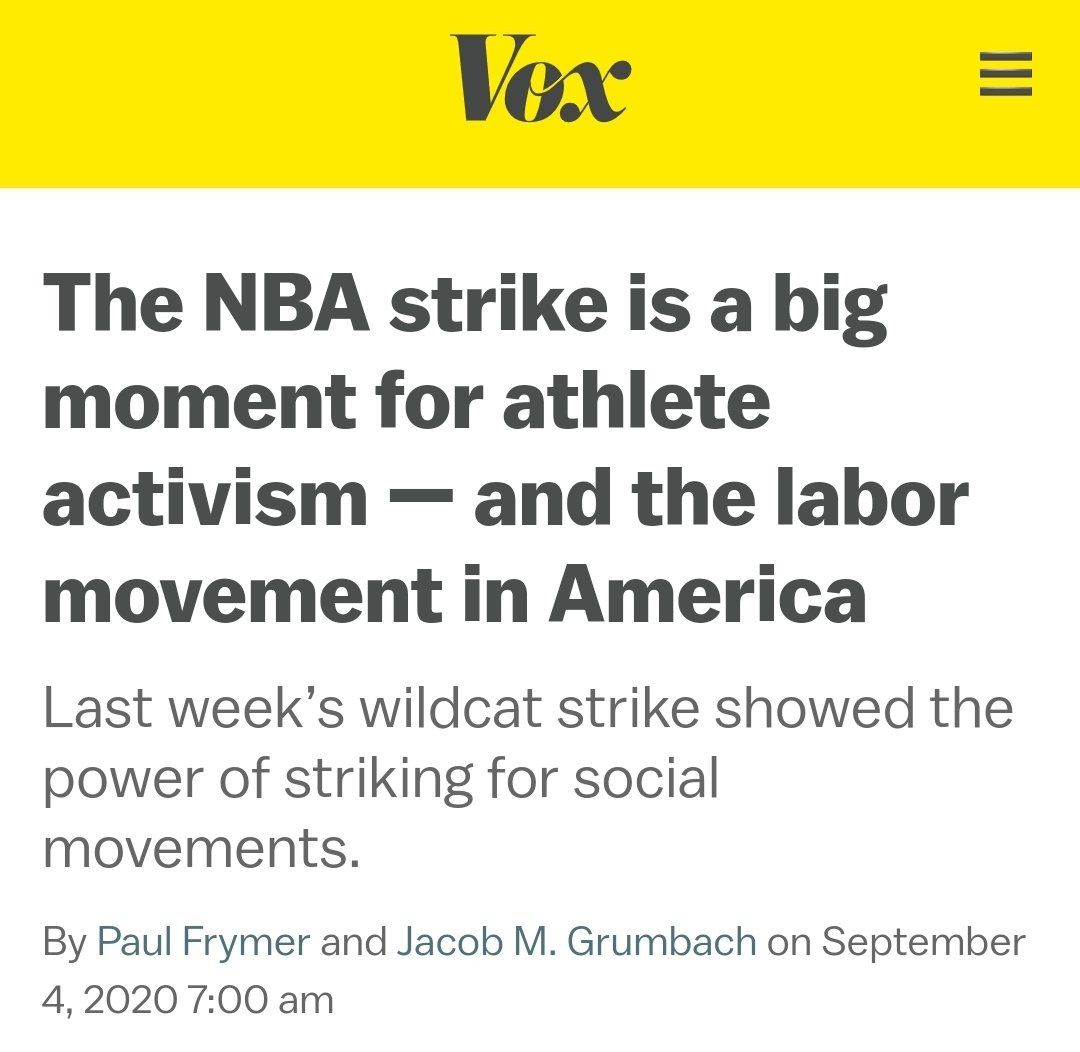
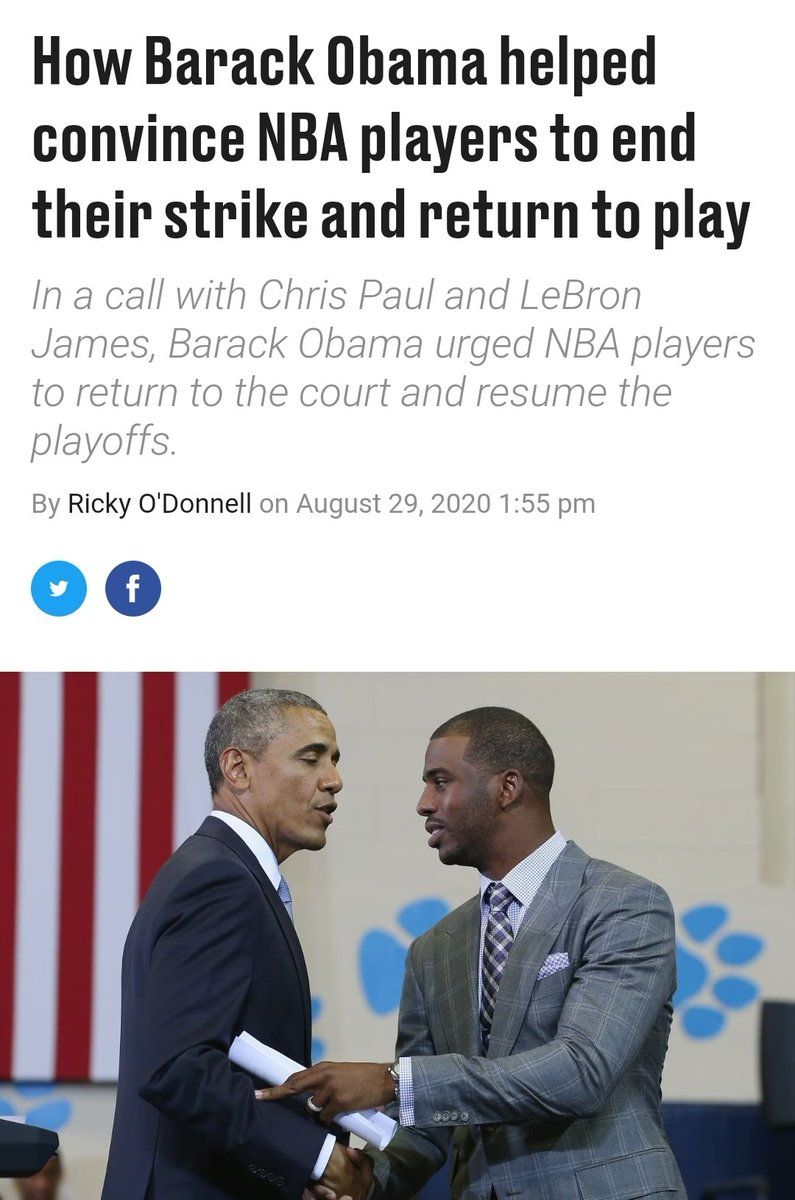
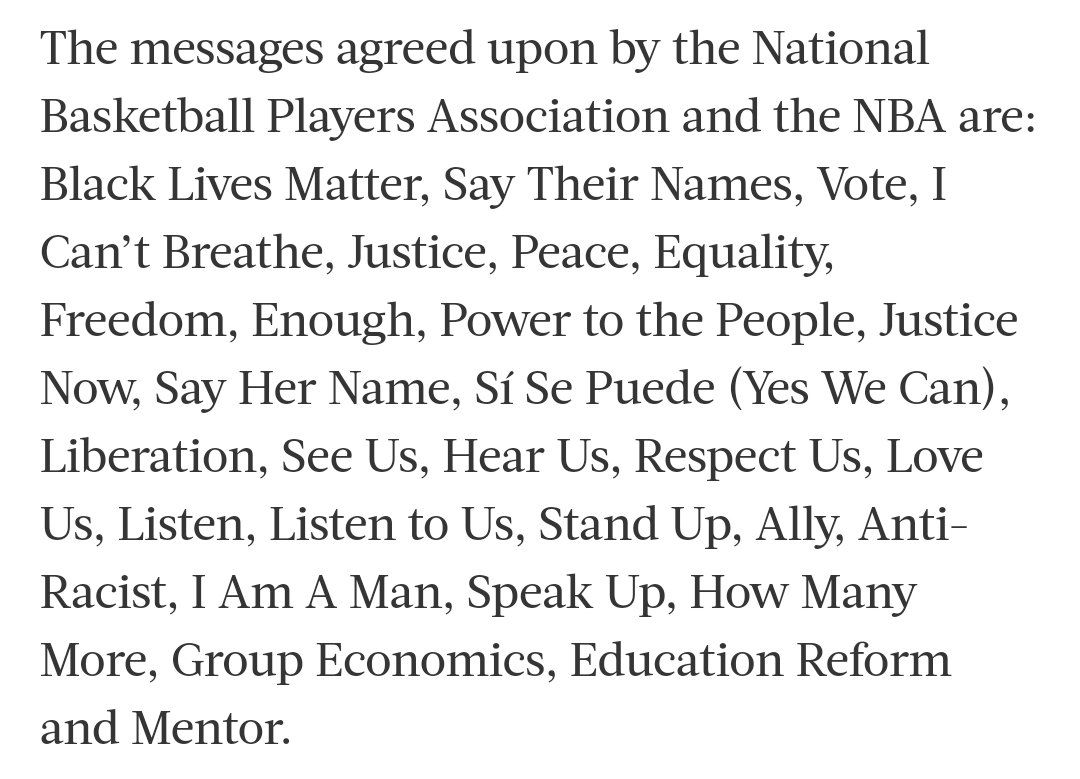
Most NBA players make tens of millions of dollars a year. But when they wanted to go on strike last year to protest police violence, the strike was broken using the same tactics Amazon does. Players were then given a list of pre-approved protest slogans and pushed back to workOn twitter.com
-
Don't get it twisted. Working $30k a year at Walmart isn't the same as working $125k a year in silicon valley, or working $45m a year as an athlete. We should focus most of our attention at the bottom. I'm saying the analysis of what is and is not working class is beyond incomePermalink On twitter.com